
A Closer Look at Salvatore Ferragamo Handbags By Way of the Prism of Sustainable Luxury
Formerly viewed as a contradiction, eco-conscious values in premium leather craftsmanship wasn’t an obvious match for a house built on artisan calfskin, exotic skins and workshops passed down over generations. Nonetheless, over recent years, Salvatore Ferragamo has gradually overhauled its approach to materials, manufacturing and promotion of bags. The outcome is a brand still anchored in the craftsmanship pioneered by Salvatore Ferragamo in Florence in 1927 — but now every ferragamo bag is framed within a broader conversation about durability, conscientious materials and reparability. This article considers what that shift really signifies for customers exploring a ferragamo shop these days, and which items are deserving of the spend.
Why Eco-Conscious Design Reshapes the Meaning of Value
A leather bag, when well made, was always theoretically a environmentally responsible object — designed to outlast decades, not mere seasons. Where Ferragamo diverges is turn that longevity transparent and traceable. Leather processed in facilities certified by the Leather Working Group — a body that reviews water use, chemical management, and waste handling across tanneries — is now included in Ferragamo’s supply chain. Several ferragamo bags also use Vegea, a grape-based leather alternative developed in Italy from wine industry waste, first introduced in Ferragamo’s ready-to-wear and later extended to select accessories.
This matters practically, not just ethically. A bag made from responsibly tanned leather, finished by artisans trained to repair rather than replace hardware, tends to outlive trend cycles. Ferragamo’s after-sales service includes restoration for handles, linings and clasps on many models, which extends the working life of a salvatore bag well past the typical five-to-seven-year lifespan of a mass-market handbag. When you calculate cost-per-wear over a decade rather than a single season, the numbers shift considerably in favor of the higher upfront price.
Beyond first-hand buying, a resale angle also matters. Bags with verifiable provenance, dust bags, authenticity cards and minimal wear hold value on the secondary market. Per data from resale platforms monitoring Italian leather goods through 2025, the brand’s classic silhouettes — the ferragamo tote Studio bag, the Wanda, the Iconic Gancini-hardware totes — regularly show up on resale platforms, holding 40 to 60 percent of original retail price when kept in pristine condition. That retained value is itself a sustainability metric: fewer bags discarded, more circulating.
Ferragamo Bags Overview: What’s Actually in the Lineup
Beginning every Ferragamo bag overview in 2026 means focusing on the Gancini clasp — the interlocked metal fastening that has anchored its accessory identity since the 1970s. It shows up across virtually every line — top-handle bags, crossbody pouches, shoulder totes — and acts as a understated hallmark rather than a loud logo. Shoppers looking for understated branding tend to gravitate toward these pieces specifically because the detailing signals legacy without broadcasting a monogram.
The present bag lineup break down approximately like this:
- Structured top-handle bags, typically in smooth calfskin, suited to daytime and office wear.
- Unstructured hobo and shoulder styles, frequently in pebbled or grained leather, made for everyday rotation.
- Small leather goods and crossbody pouches, popular as second bags or evening pieces.
- Tote bags in canvas-leather combinations, some blended with recycled or organic cotton blends.
- Limited seasonal collaborations, which rotate yearly and often debut the brand’s newer sustainable materials first.
Each category fulfills a different styling need, and part of making a savvy purchase at a ferragamo shop is matching the bag’s build to how often and how hard it will actually be used. Under daily heavy use, an unstructured leather hobo will crease and lose its shape faster than a framed top-handle bag built around an internal frame.
Best Ferragamo Bags for Lasting Wear
People wondering which are the best ferragamo bags for someone buying one piece to last typically find the answer comes down to build quality over decoration. Bags with reinforced bases, metal feet and full leather linings age better than those relying on canvas interiors or lightweight coated fabrics. The Studio bag line, built around a boxy silhouette with a top handle and optional strap, has turned into something of a modern reference point exactly because its construction avoids collapsing over years of use.
Color choice also affects longevity in ways people underestimate. Understated shades — cognac, black, dark chocolate, deep burgundy — hide the fine scratching and patina that form gradually on vegetable-tanned leather. Though attractive, bright seasonal colors often show wear faster and date visually within two or three years as trends move on. Anyone building a genuinely sustainable wardrobe, in the sense of buying fewer things and keeping them longer, benefits from prioritizing versatility over of-the-moment shades.
The plating on the hardware matters as well. Gold-tone hardware plated to a high micron thickness stays untarnished far better than thinly plated alternatives, and Ferragamo’s Gancini clasps are typically finished to a standard that holds up under daily clasping and unclasping for years. Where possible, checking the heft and click of the clasp in person is still one of the best ways to gauge a bag’s likely durability before buying.
Standout Ferragamo Bags by Use Case
Varying situations demand varying structural styles, and framing the decision around use case instead of following trends results in greater lasting contentment. The comparison beneath this compares four common bag categories from the current lineup using the measures that matter most for everyday usability and long-term wear.
| Type of Bag | Recommended For | Common Material | Wear-and-Tear Observations |
|---|---|---|---|
| Rigid top-handle style | Professional settings and daytime formality | Sleek calfskin leather | Keeps its silhouette intact and doesn’t collapse over years of use |
| Slouchy hobo-shoulder bag | Regular informal wear | Pebble-finish leather | Pleasant to use daily but wrinkles sooner under heavier wear |
| Small crossbody bag | Evening, travel light | Sleek leather or a leather-and-canvas blend | Its small hardware holds up nicely and the base endures less strain than a tote’s |
| Leather-trimmed canvas tote | Getting to work and general daily carrying | Canvas body with leather trim | Easier on the shoulder but requires more diligence in preventing stains on the canvas |
Sorting bags only by cost or popularity is not as valuable than a side-by-side look like this, since the intended use is what truly determines the “best” bag. A crossbody pouch bought as an everyday work tote will prove unsatisfying fast, just as a formal top-handle style repurposed for the gym will show stress at the seams far sooner than intended.
Top Salvatore Ferragamo Bags for a Minimalist Capsule Collection
This minimalist wardrobe idea gets mentioned regularly among sustainability advocates — it refers to a compact, deliberately curated selection that cover most needs without redundancy. When this idea is carried over to accessories, this means having just two or three salvatore ferragamo bags instead of a dozen, every one chosen for a specific purpose. Such a capsule might reasonably consist of one structured neutral top-handle for work, one relaxed crossbody for travel and weekend use, and one compact evening pouch for lower-capacity occasions.
Total buying is cut down by this strategy, while the house’s hallmark craftsmanship is still available. On top of that, it makes the upfront cost easier to justify, since every piece proves its worth by being used often instead of languishing alongside seldom-used duplicates. Buyers approaching salvatore ferragamo bags this way typically inquire of retail associates particularly regarding repair options, leather-care guidance and anticipated upkeep timelines — concerns that carry more weight for extended ownership than seasonal styling advice.
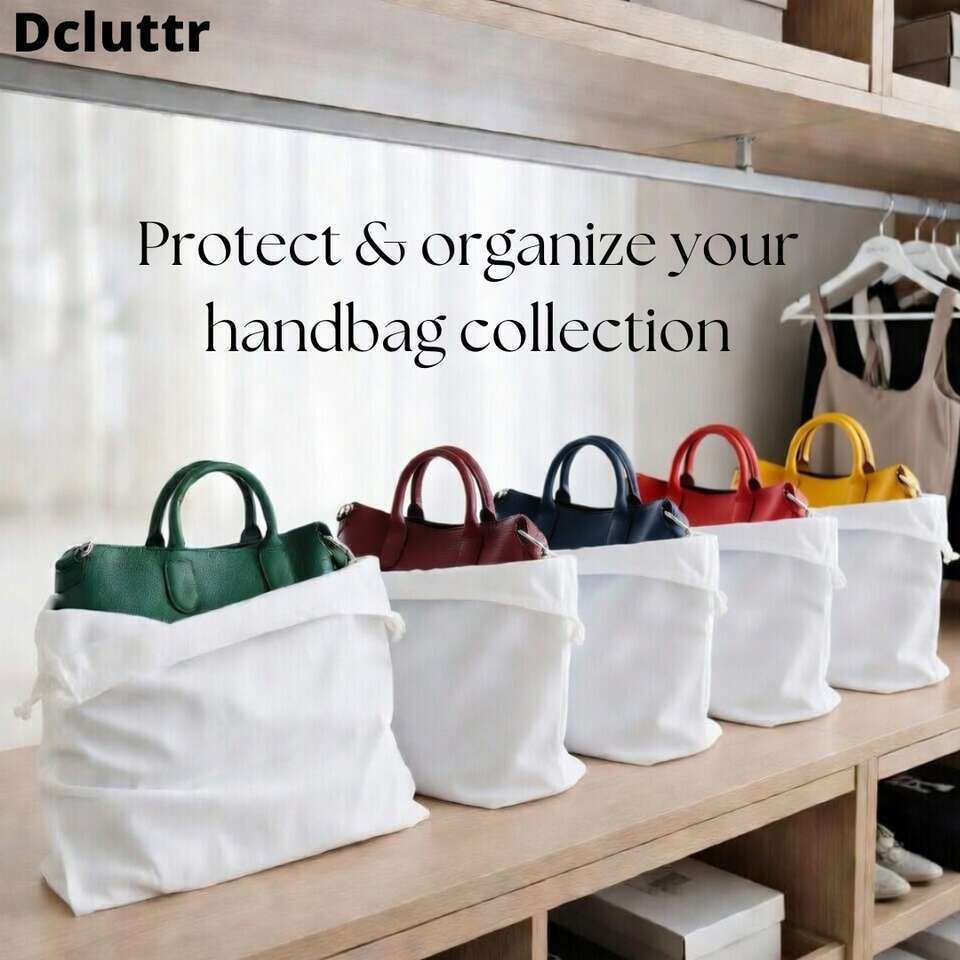
The case for sustainability is influenced by regular care. Treating the leather periodically, every few months, storing bags with their shape retained using the original dust bags, and steering clear of direct sun exposure in storage together extend how long a bag remains usable significantly. Ferragamo’s client-care staff usually offer guidance in this area when the bag is bought, and it’s worth specifically requesting this guidance rather than trusting that broad leather-care familiarity will be enough, since finishes vary between smooth calfskin leather, suede and newer plant-based options.
Shopping Smart in 2026
For anyone browsing a ferragamo shop this year, whether online or in a boutique, a few practical habits make the process more efficient. First, cross-reference model names against the brand’s official product pages before buying secondhand, since naming conventions have shifted over decades and older ferregamo styles sometimes get mislabeled on resale sites. Second, ask specifically about material composition when sustainability is a priority — not every bag uses the newer alternative leathers, and standard calfskin remains the majority of the lineup.
Third, factor in when you choose to buy. Two times each year, Ferragamo introduces new seasonal colorways—in keeping with most luxury houses—so bags from the season before may occasionally see slight price shifts amid the shift between seasons. Buying at these moments can make a genuinely durable bag more accessible without waiting for wider markdowns that rarely materialize on core leather goods.
When it comes down to it, environmentally mindful luxury is more a matter of mindset than any one green material, namely a mindset: purchasing fewer bags, opting for pieces designed for repair instead of disposal, and viewing a purchase as a long-term commitment spanning years rather than a fleeting seasonal buy. The way Salvatore Ferragamo now approaches producing bags upholds that mindset better than it did ten years ago, and the brand’s willingness to publish sourcing details and offer restoration services gives shoppers concrete details worth acting upon, not just advertising spin.
